Microdosing psilocybin has moved from quiet curiosity to serious scientific interest. People all over the world are reporting subtle but meaningful shifts in their mood, focus, and overall well-being from taking very small, sub-hallucinogenic doses of psilocybin. But beyond personal stories, what does the science actually say?
In this blog, we’ll explore what scientists have discovered so far about how psilocybin works in the brain and how to interpret findings with an open but grounded perspective.
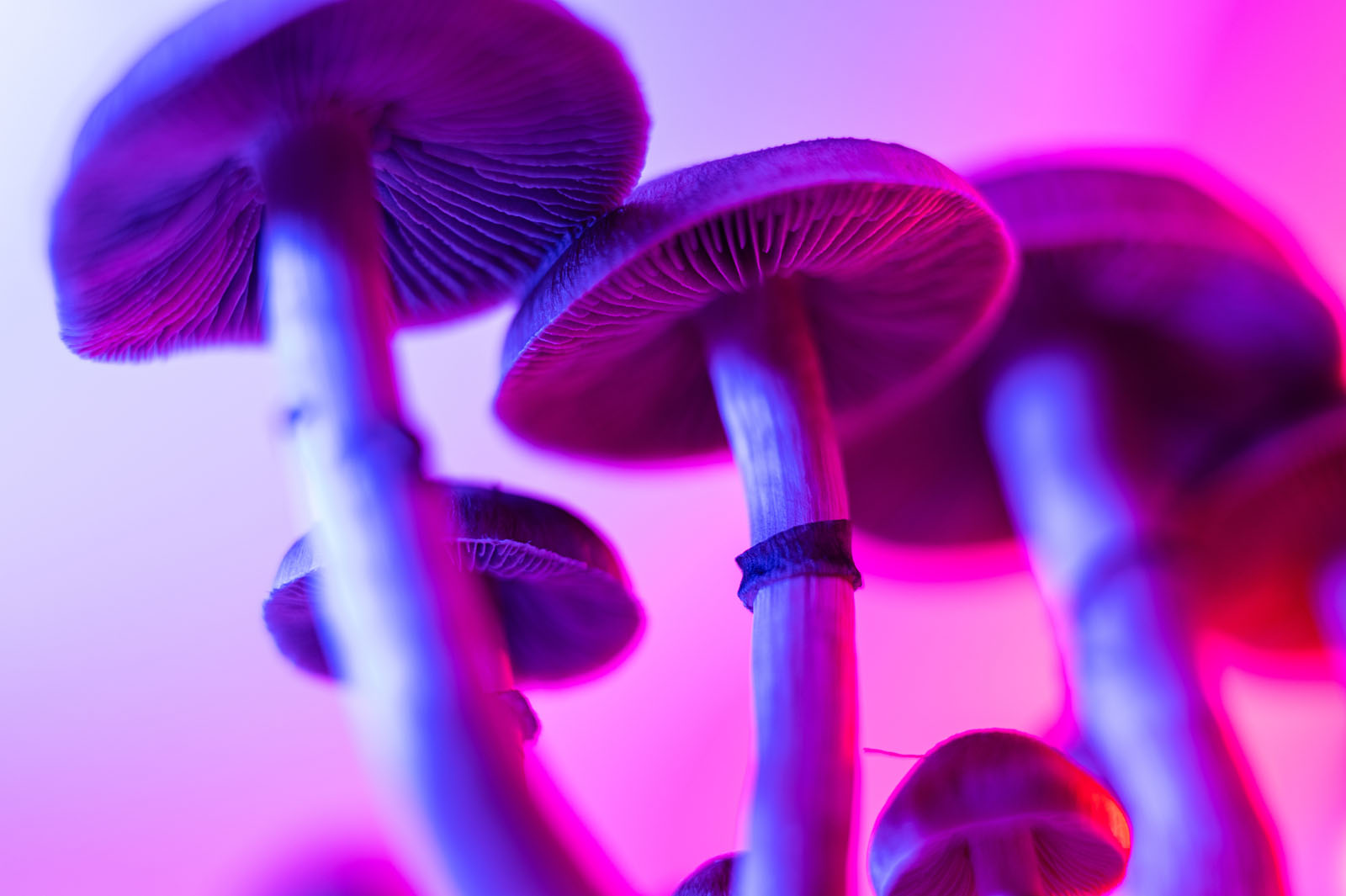 How Psilocybin Interacts With the Brain
Psilocybin affects the brain in a way that’s both gentle and profoundly complex. When you take a microdose, the compound converts into psilocin, which interacts with several neural systems that influence mood, cognition, perception, and emotional processing. While researchers are still uncovering the full picture, three core mechanisms consistently appear in the scientific literature.
- Serotonin & 5-HT2A Receptor Activation: Psilocin binds primarily to the 5-HT2A serotonin receptors, which play a key role in mood regulation, cognitive flexibility, and how the brain processes information. This contributes to reduced anxiety, enhanced mood, more consistent sleep patterns, and controlled emotional responses.
- Changes in Brain Connectivity & the Default Mode Network (DMN): One of the most significant discoveries in psychedelic research is psilocybin’s ability to disrupt and reorganize brain networks, especially the default mode network. This is the system tied to self-talk, rumination, and habitual thinking. Reduced DMN activity may help explain feelings of emotional relief, openness, and mental “reset.”
- Neuroplasticity and Brain Flexibility: Psilocybin promotes structural and functional changes that encourage emotional resilience and cognitive restructuring. The neuroplasticity benefits are connected to enhanced memory, new thought patterns, and a significant reduction in depressive symptoms.
These effects may help explain why many microdosers report improved mood, clearer thinking, and an easier time breaking negative thought cycles.
What Research on Microdosing Has Found So Far
Microdosing is still a relatively young area of study due to the challenges of creating a ‘controlled environment’ for microdosing. While the majority of the microdosing research is classified as self-reported studies, there is a growing number of clinicians, clients, and individuals who are following what is known about the neuroscience of psilocybin and the low-risk associated with using microdoses, and moving forward with use.
Mood, Anxiety, and Emotional Well-Being
One of the most consistent findings across microdosing research is improved emotional regulation and overall mood.
- Nature Scientific Reports (2022): A large observational study found that people who microdosed psilocybin reported improved mood, reduced anxiety, and better emotional balance after one month compared to non-microdosers.
These results echo what many microdosers describe: a lighter emotional load, better stress tolerance, and fewer spirals into rumination.
Cognitive Benefits: Flexibility, Creativity & Focus
Some studies suggest microdosing may gently enhance cognitive flexibility, which is the ability to shift perspectives and break rigid thought patterns.
- Psychopharmacology (2023): Research indicates psilocybin may increase “cognitive flexibility,” which is often impaired in depression and anxiety.
Creativity and focus benefits are individualized, but many microdosers report easier problem-solving or increased flow-state during tasks.
Evidence From High-Dose Studies Still Matters
While not the same as microdosing, high-dose psilocybin therapy gives us important clues about how psilocybin works on the brain.
- American Journal of Psychiatry (2023): Psilocybin-assisted therapy showed significant reductions in depressive symptoms, even in treatment-resistant cases.
These results suggest that psilocybin has a powerful relationship with mood and emotional processing. Microdosing may tap into this more gently.
 Brain Imaging Studies Reveal Structural & Network-Level Changes
Some of the most compelling work involves brain imaging.
- Nature (2024): Psilocybin produced widespread changes in brain connectivity, decreasing rigid patterns and increasing global communication.
This aligns with the idea that microdosing may nudge the brain into a more flexible state, even if the changes are more subtle.
Key Takeaways:
- Is microdosing safe for long-term use?
Early research suggests psilocybin is physiologically low-risk, but more studies are needed to understand long-term microdosing patterns. While our current research timeline is limited, substantial historical evidence shows that psilocybin has been safely used for thousands of years and contraindications or harmful outcomes have not been identified.
- What’s the difference between microdosing and a full psychedelic dose?
A microdose is small and sub-hallucinogenic. An individual is still able to drive a car, go to work, and take care of all of their daily responsibilities. The mindset is enhanced, but not altered. This is conducive to long term healing and cognitive restructuring. A full psychedelic dose (aka journey or macrodose) is a dose that requires 4-8 hours of time set aside for the process and typically focuses on a specific experience or experiences from the past.
- How long does it take to notice benefits?
Some people notice a shift within days; others take weeks. Since changes are subtle, keeping a journal helps track patterns over time. The time discrepancy is due to finding the most helpful dose for the individual. Individuals that benefit from a very low dose will notice the benefits more quickly than those who need a higher dose and are methodically increasing their dose over time. The key note is that an individual will notice benefits the day that they take the dose their brain needs.
- Is microdosing legal?
Psilocybin remains illegal in many places. Always check your local regulations before growing, possessing, or consuming psilocybin.
- Does microdosing require taking mushrooms every day?
The beauty of microdosing is that it is individualized. It is safe and effective to microdose every day to enhance the benefits, particularly neuroplasticity. The body does not develop a tolerance to psilocybin when microdosing. Over time, you will need a lower dose as it heals the brain and maintains long term benefits. Some individuals may choose to skip days, but that is personal preference rather than necessity.
Science as a Guide, Not a Guarantee
Microdosing psilocybin is a growing field of study, supported by promising early research and countless lived experiences. What we know so far is encouraging: psilocybin interacts with the brain in ways that support flexibility, emotional regulation, and new patterns of thinking. Microdosing is a very individualized experience that requires the appropriate dose and strain, and the science, while exciting, is still catching up.
If you feel ready to explore microdosing or deepen your relationship with psilocybin, Grow Your Own Thoughts is here with resources, guidance, therapeutic subscriptions, and cultivation tools to help you begin your journey with confidence.
Explore our therapeutic microdosing kits and grow kits, and dive into more research-backed guides on mindful microdosing and at-home cultivation. Your growth begins with curiosity, and we’re here to support it every step of the way.
The contents of this blog are intended for informational purposes only. Always seek the advice of a physician or other qualified healthcare provider with any questions you may have regarding a medical condition.