

What is microdosing?
Microdosing is utilizing a small amount of a substance to gain the benefits of the substance without impairing daily functioning.
Microdosing Psilocybin:
Approach, Dosage, and Personalization
Microdosing psychedelics, particularly psilocybin mushrooms, is gaining popularity as research continues to be released regarding the benefits associated with mental health. The microdosed amount of supplement and the regimen are dependent on each individual. CTS recommends microdosing every day when starting out so the most beneficial dose can be determined. Once established, daily microdosing can continue (the body does not develop a tolerance to microdosing psilocybin) or a personal regimen can be established. It is not harmful to stop and start microdosing, it is up to the individual to determine what works best for them. Microdosing psilocybin is a healing modality; over time an individual will need less, not more. The benefits of microdosing build over time and once a new way of thinking and responding have been achieved, microdosers will be able to use their dosing as a tool that is helpful when needed, but not necessary for regular use. This reflects the true healing power of nature.
Why Psilocybin?
An Overview of Its Origins, Chemistry, and Effects on the Brain
Psilocybin is a naturally occurring tryptamine found in certain species of fungi, primarily within the genus Psilocybe. The commonly referenced ‘psychedelic’ effects have contributed to the common name of magic mushrooms. When consumed, psilocybin is converted to the compound psilocin which impacts a variety of areas in the brain:
Serotonin receptors
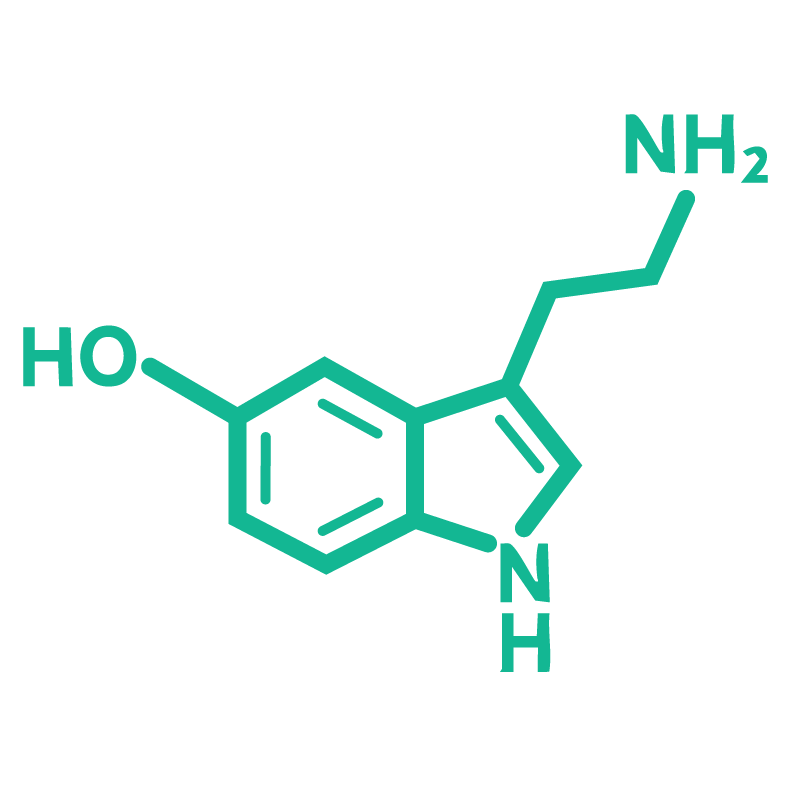
Psilocin has a chemical structure so close to serotonin that it perfectly fits the receptor site, particularly the 5HT2A receptor. These receptor sites mediate many different functions, some of which include mood, learning, creativity, and perception. The majority of these receptor sites are located in cells in the cortex, which moderates reasoning and rational thought.
Default Mode Network
The Default Mode Network (DMN) is like the brain’s information highway, compiling and categorizing information as we go through daily life. It is most active when an individual is awake but not focused on a specific task, such as during daydreaming, meditation, thinking about the future, recalling memories, or focusing on others or the world around them. Current research has shown the DMN to be active in social situations when individuals are monitoring themselves and interactions with others, feeling empathy, and assessing moral and ethical behaviors, including beliefs and intentions of others. When an individual has an over-active DMN, they often complain of racing thoughts or difficulty focusing. MRI imaging shows that when psilocybin is introduced, the DMN quiets down, reducing racing thoughts, allowing for more openness and cognitive flexibility. Research has shown that with continued psilocybin use over time, the DMN resets, contributing to new ways of thinking and perceiving life experiences.
Amygdala
The Amygdala is the emotional hub of the brain. Psilocybin reduces blood flow to the amygdala, reducing the impact of emotional responses. There is now an opportunity to respond to life with less emotional influence. Instead emotions are noticed but do not overwhelm the individual. This leads to greater emotional regulation and self controlled responses.
Hippocampus
The Hippocampus is responsible for memory creation and has the highest concentration of Brain Derived Neurotrophic Factor (BDNF). An increase in BDNF transcription and release enhances neuroplasticity, contributing to both rapid and sustained antidepressant effects. Increased neuroplasticity also supports improved memory, greater cognitive flexibility and learning capacity, enhanced adaptation, and structural recovery following events such as stroke or traumatic brain injury.
Benefits of microdosing psilocybin:
Individuals who struggle with any of the following can find benefits through psilocybin microdosing:
Aspects of living with a sense of self, the “I” :
- Existential anxiety
- Fear of death
- Regret
- Ruminating
- Self loathing
- Status anxiety / Social comparison
- Boredom
- Future planning stress
- Identity crisis (Who am I? / What’s my purpose?)
- Guilt
- Depressive thinking
- Loneliness
No Two Minds Are the Same
How Individual Biology and Life Experience Shape the Benefits of Psilocybin
Just as each individual is physiologically unique, they are also psychologically unique, particularly due to life experiences. With this individuality in emotions and physiology, there will be differences in the noticeable benefits of using psilocybin.
Benefits that are often noticed include:
- Enhanced mood
- Feeling more connected to others & nature
- Decreased depressive symptoms
- Increased ability to focus, as well as start tasks
- Feeling more awake and present
- Increase in energy
- Helpful change in thinking, being more open to thoughts & ideas
- Enhanced creativity
- Ability to see things from a new perspective
- Reduced sense of self or ego
- Diminished frequency of migraines or cluster headaches
- General sense of well-being
- Decreased addictive or emotionally driven harmful behaviors
- Enhanced neuroplasticity, allowing for a deviance from rigid thinking and allowance of new thought formation
- Ability to titrate or potentially eliminate the use of any current mental health pharmaceuticals
- Notable positive change in individuals who experience treatment-resistant depression or PTSD, when combined with therapy
Expert Led Microdosing Groups
Microdosing groups are led by master’s degree educated therapists with extensive knowledge of the benefits of microdosing for both physical and psychological concerns. Our CEO is regarded as a microdosing clinical expert. She authored and published a microdosing guidebook, and speaks regularly at local, state and national conferences, educating clinicians and the general public about the science behind the benefits of therapeutic mushroom microdosing. CTS and GYOT have worked with over 1,000 clients since Colorado decriminalized the use of psilocybin for personal use, educating on dose, strain, and the benefits specific to microdosing.
Growing With Intention
Organic Materials, Local Craft, and a Natural Approach to Psilocybin
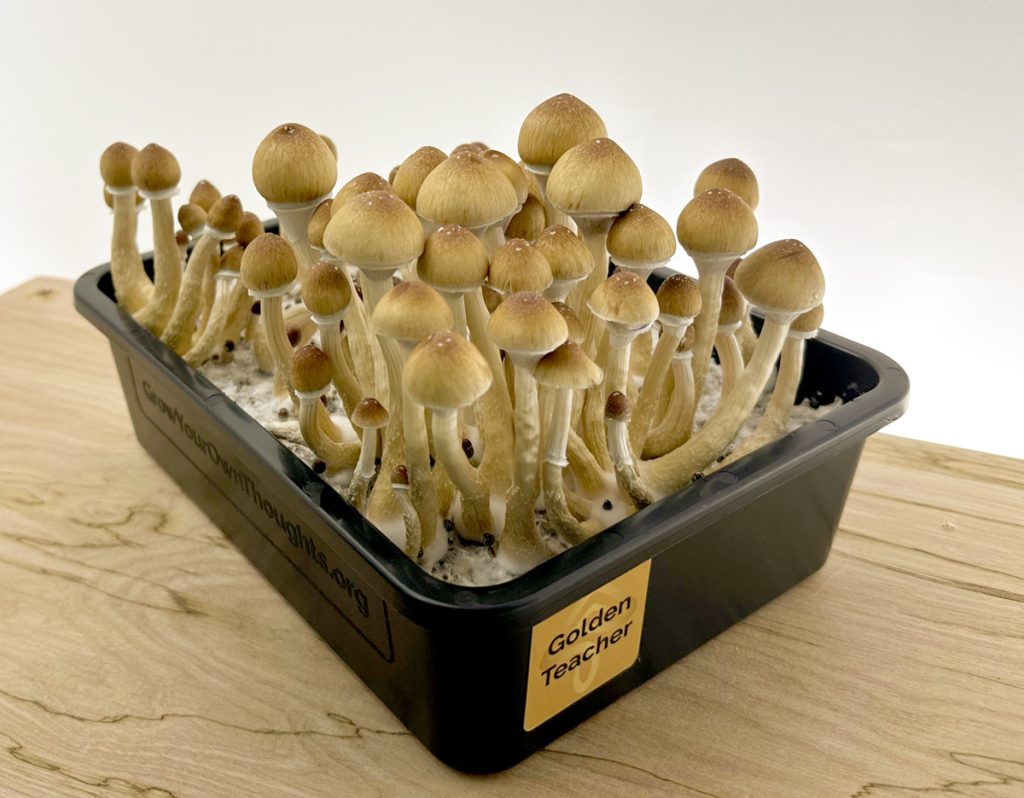
By using only organic substrates, non-GMO grain, clean spores, and never adding pesticides or manure, GYOT ensures a natural, healthy and contaminate free growing environment. The reusable personal propagator system, called a Thought Box, creates optimal conditions for mushrooms to flourish. The Thought Box propagators are manufactured in Colorado Springs, CO, supporting the local economy and contributing to the community. Using psilocybin does not require any chemical modification from its original state, making it fully natural. It is cultivated, harvested, dried, crushed and then consumed. It is also the most broadly researched naturally occurring psychedelic supplement in regards to its mental health benefits.
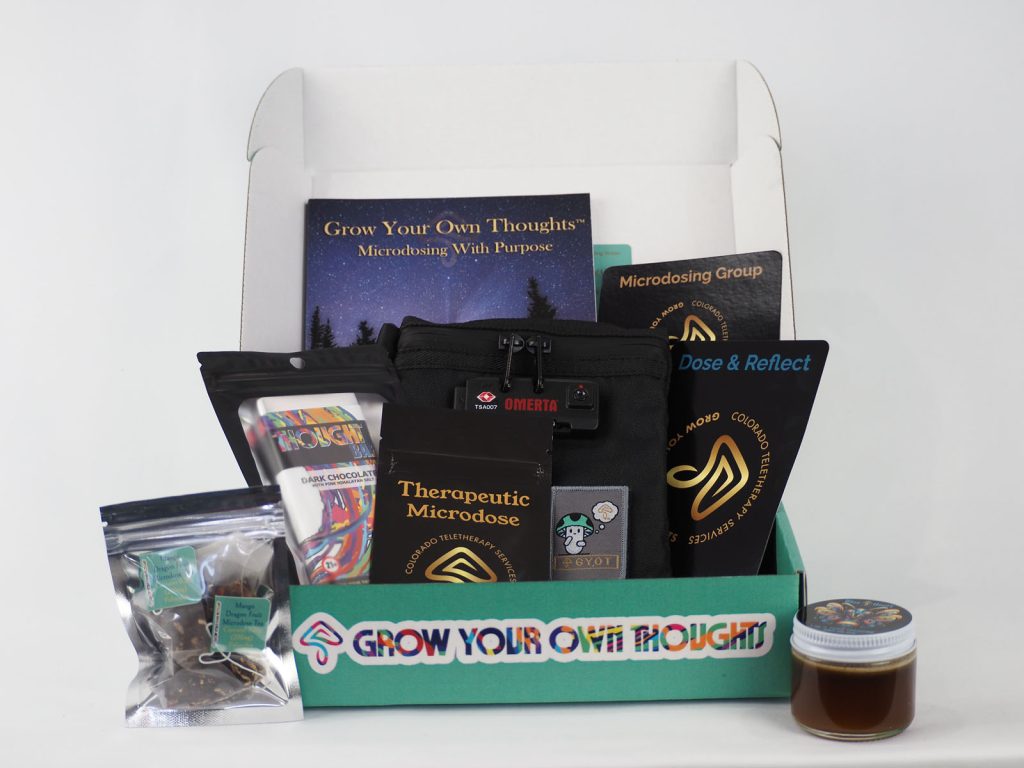
Not ready to grow? Check out our THERAPEUTIC MICRODOSING options including access to online groups and supplements ready to use.
Research and Articles of Interest:
- Adults who microdose psychedelics report health related motivations and lower levels of anxiety and depression compared to non-microdosers (November, 2021)
- How does psilocybin rewire the brain? (October, 2022)
- How psychedelic drug psilocybin works on brain (June, 2020)
- Me, myself, bye: regional alterations in glutamate and the experience of ego dissolution with psilocybin (May, 2020)
- Psilocybin microdosers demonstrate greater observed improvements in mood and mental health at one month relative to non-microdosing controls (June, 2022)
- Psilocybin-assisted psychotherapy in adults with depression – A literature review (October 2025)
- Emerging mechanisms of psilocybin-induced neuroplasticity (November 2025)